

Reverse Tashlich Cleanup with the Kingman Rangers and Edlavitch DC Jewish Community Center
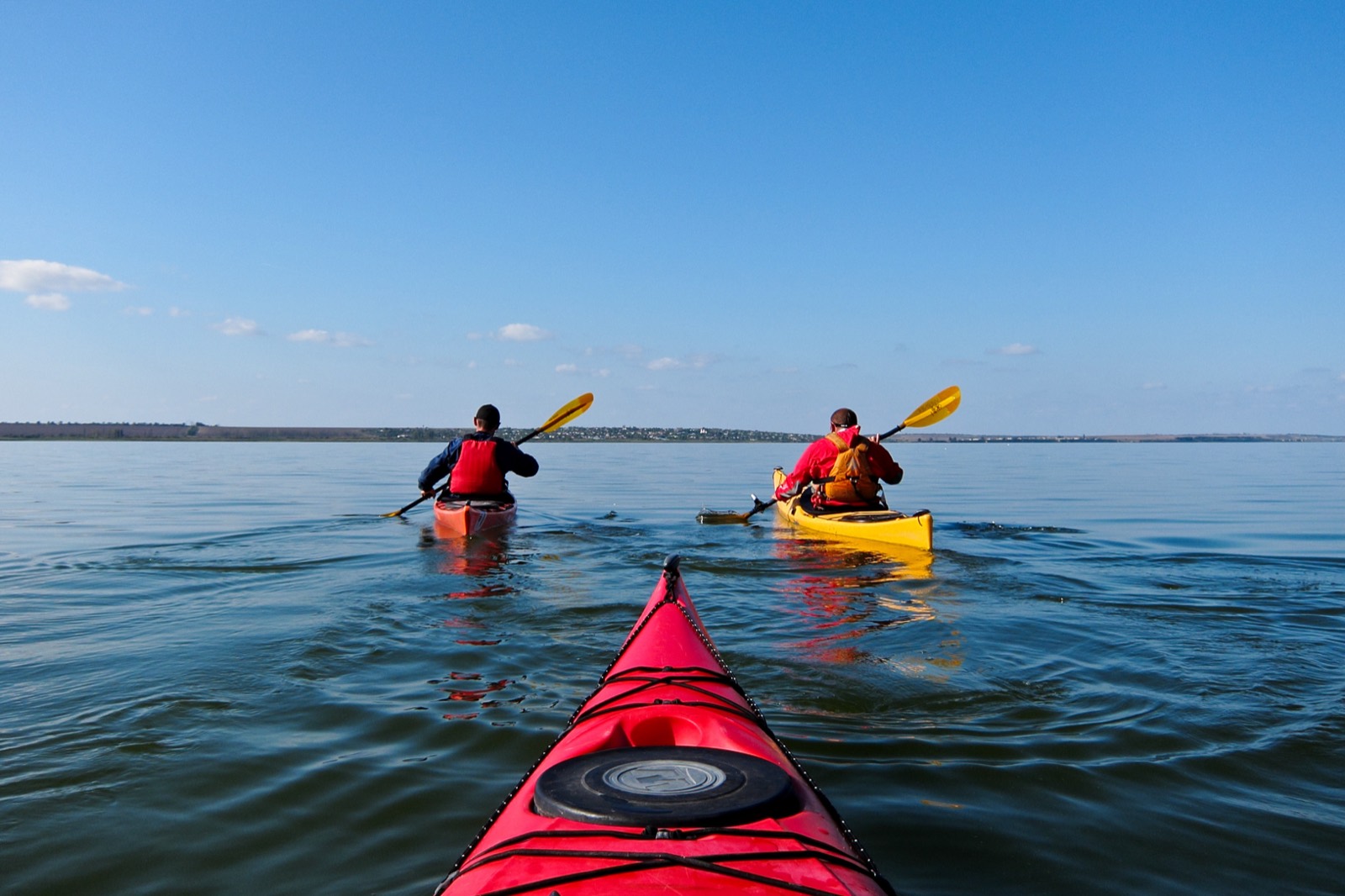
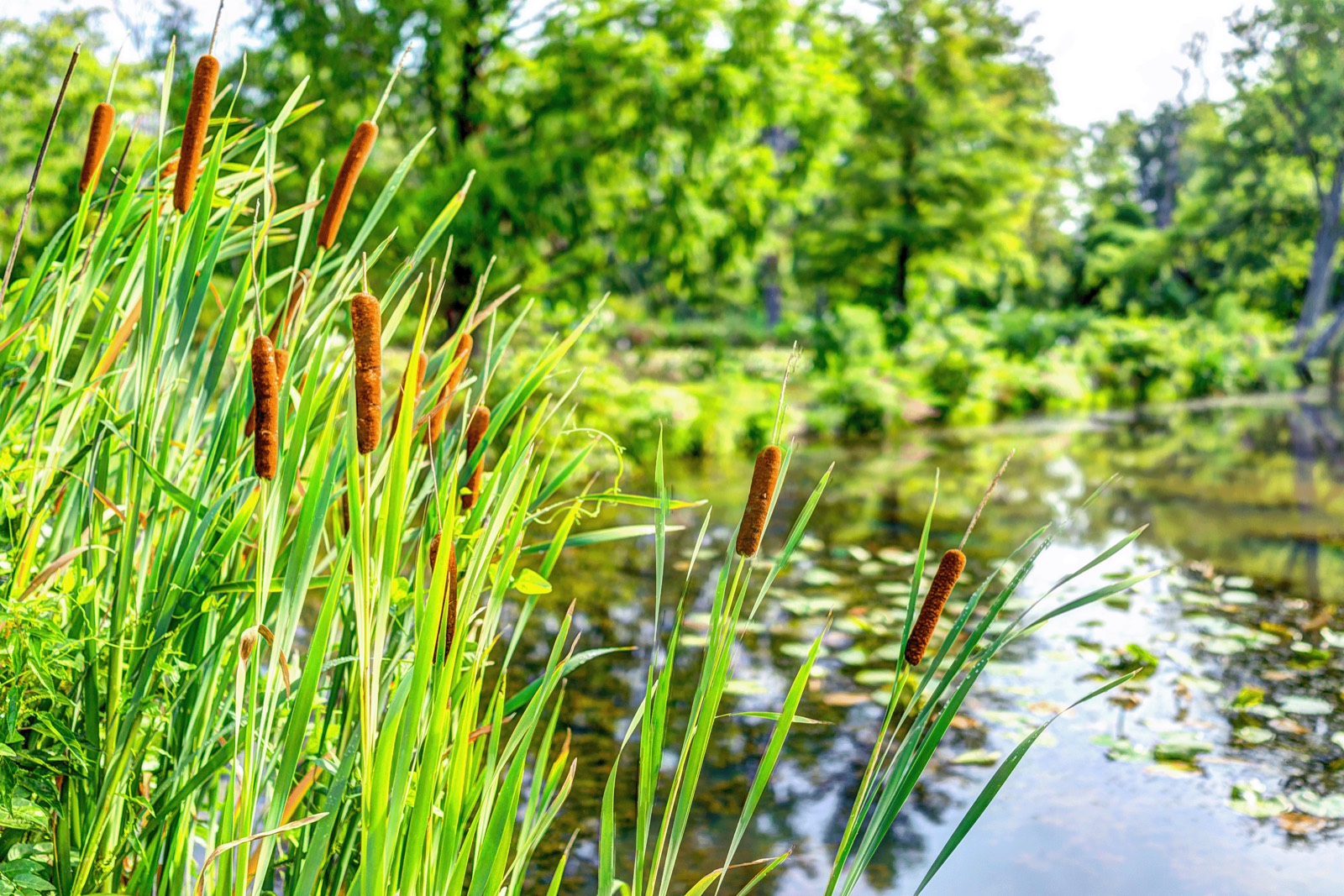
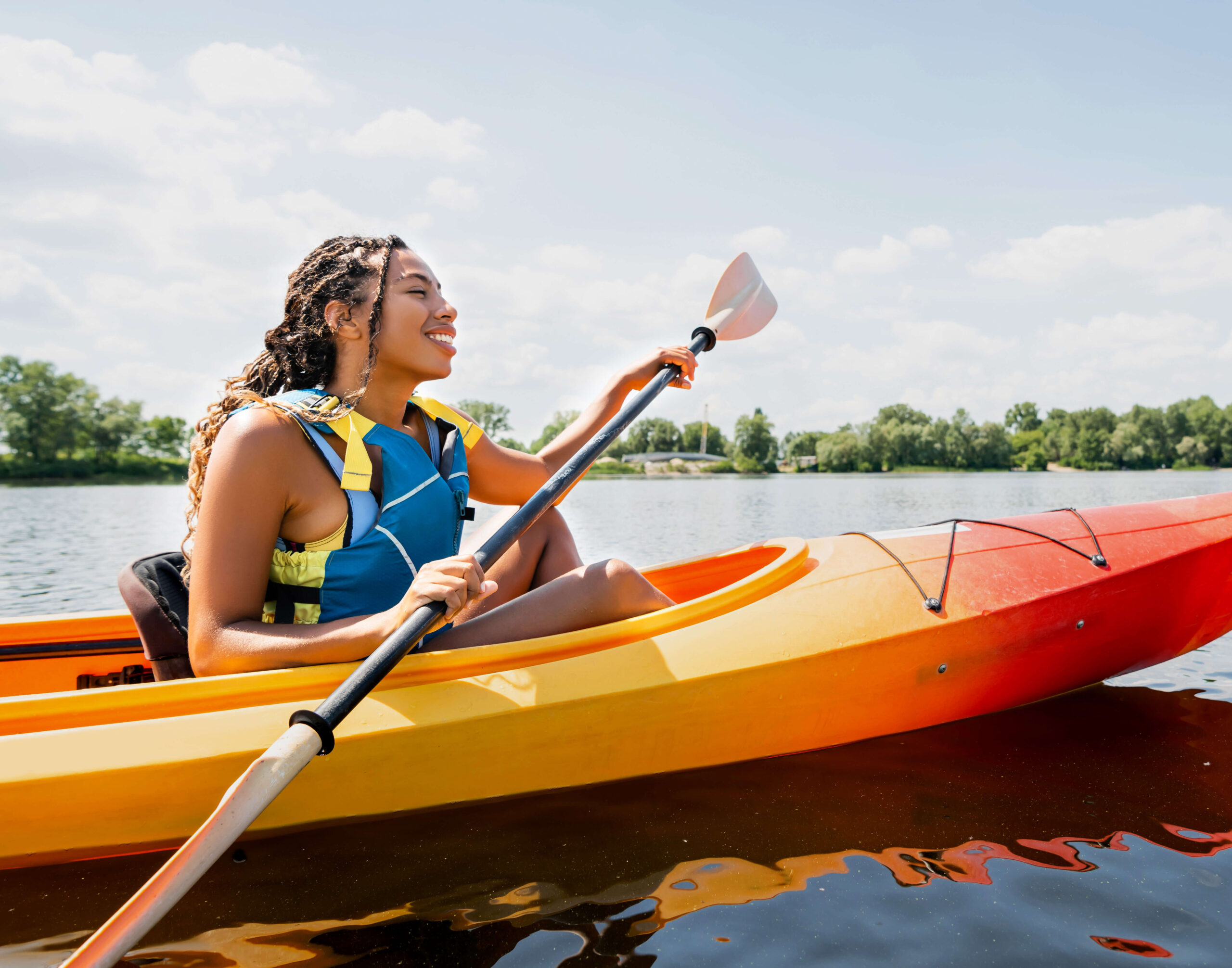
Join the Kingman Island Rangers and Edlavitch DC Jewish Community Center for a special cleanup event in celebration of Rosh Hashanah, the Jewish New Year.
Reimagining 180 Acres of Land for DC Residents.
Environmental Review Underway
Join the Kingman Island Rangers and Edlavitch DC Jewish Community Center for a special cleanup event in celebration of Rosh Hashanah, the Jewish New Year.
Remember the magic of RFK Stadium? Relive the memories at RFK.
Join us in-person at the open house to learn about Metro's plans for transit improvements to support the RFK campus redevelopment. Metro is studying how transit, walking, biking, and other connections can support future redevelopment at the RFK campus.
The RFK Farmers & Flea Market is located in Lot 6 at the RFK Campus.
Stay Connected
Receive project updates, public notices, and announcements directly to your inbox.
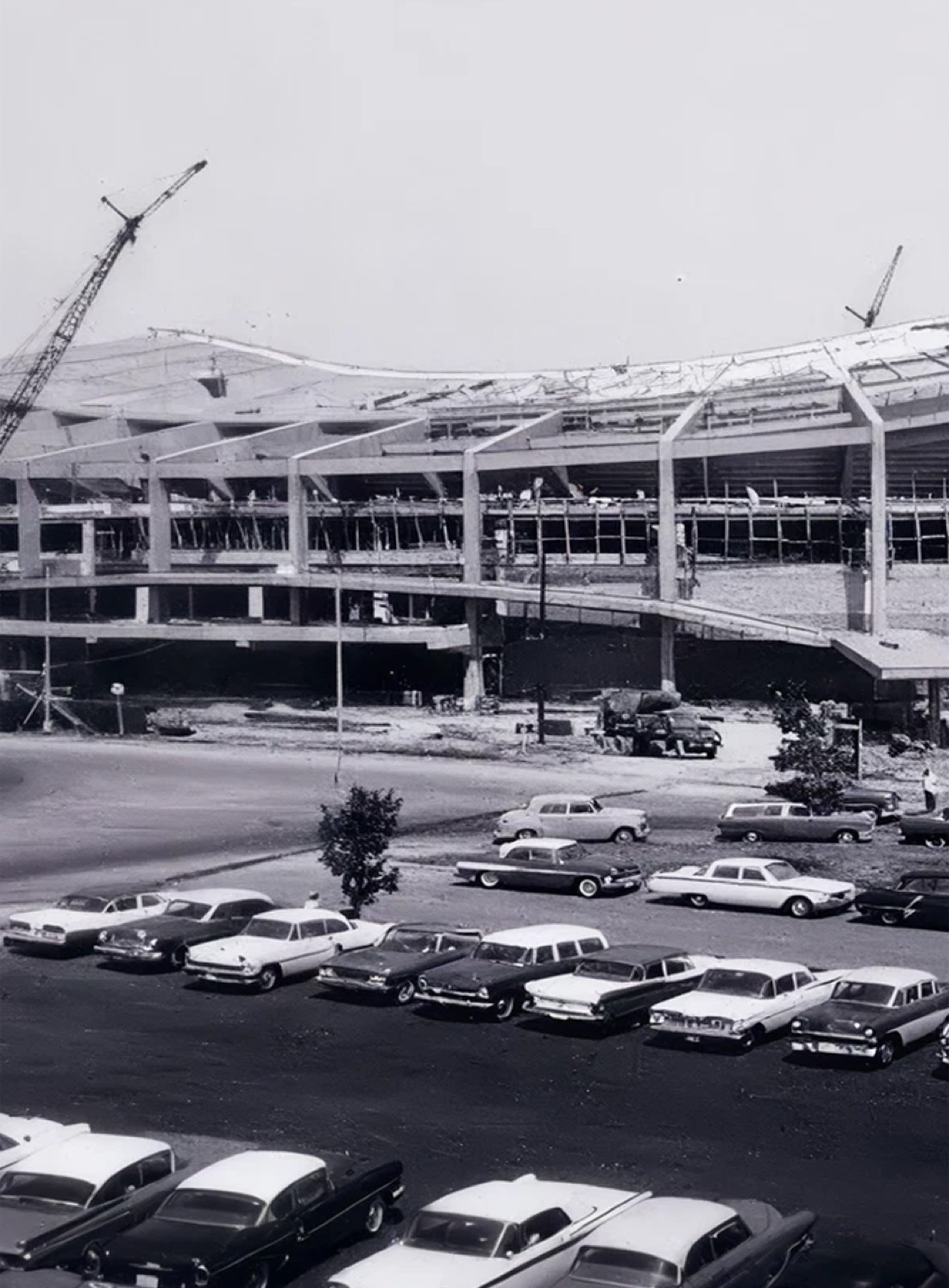
For over sixty years, the RFK Campus has been a key part of DC’s civic life. This 180-acre site along the Anacostia River has hosted historic events and symbolizes the city’s identity.
1961
DC Stadium opens as a multi-purpose venue for the nation’s capital, for sports and entertainment events.
Two islands in the Anacostia River are central to the campus’s environmental future. Active cleanup and ecological restoration efforts are underway. Public access and habitat preservation are core planning priorities for both islands.
Learn More$15.6B
Direct Spending
Projected over 30 years
14,000
Construction Jobs
Jobs expected to be created through stadium construction
6,000
Total Housing Units Estimated residential housing
Estimated residential housing
$4b
Annual Tax Revenue
Projected over 30 years
2,000
Permanent Jobs
Created around campus
$202m
Infrastructure Investment
Roads, pipes, & site prep
30%
Affordable Housing
Percent of new residential housing developed on campus
11%
Stadium Footprint
Share of the 180-acre campus occupied by the new stadium
65,000
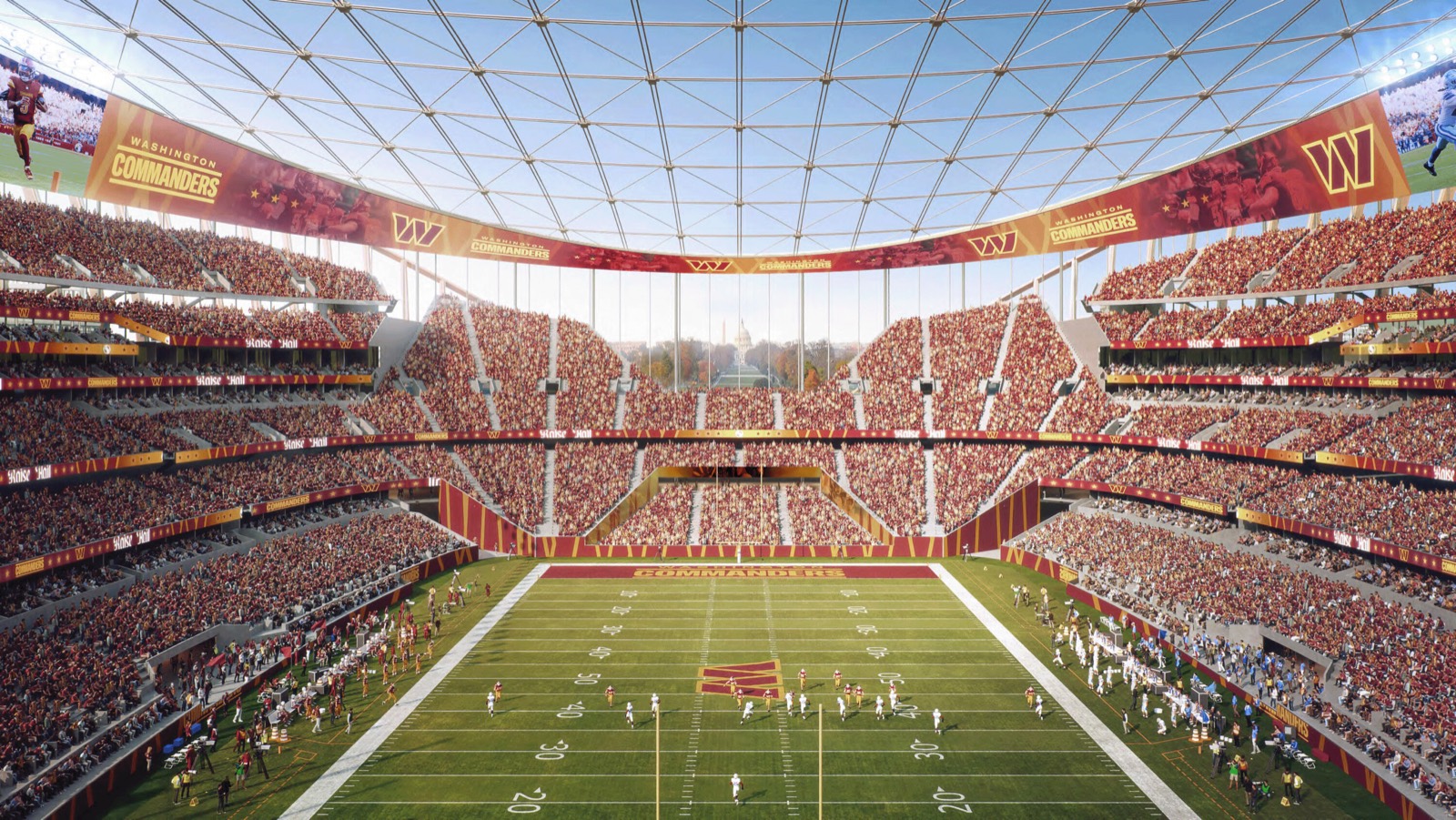
Stadium Seats
Expected when the stadium opens
Direct neighborhood investment totals $45.2M to date, focused on Hill East, Kingman Park, and Rosedale communities.
Total Investments
$45.2M
Local Residents Hired
155
CBE Contracts Awarded
$4.8M

WMATA
Washington Metropolitan Area Transit Authority

DOEE
DC Department of Energy & Environment

EventsDC
Washington Convention and Sports Authority

DDOT
District Department of Transportation

DPR
DC Department of Parks and Recreation
No. The vision for the RFK Campus is much bigger than a stadium. The redevelopment will transform approximately 190 acres into a year-round destination with housing, parks and open space, recreation, retail and restaurants, community amenities, and a new home for the Washington Commanders. The goal is to create a campus that serves residents and visitors every day, not just on game days.
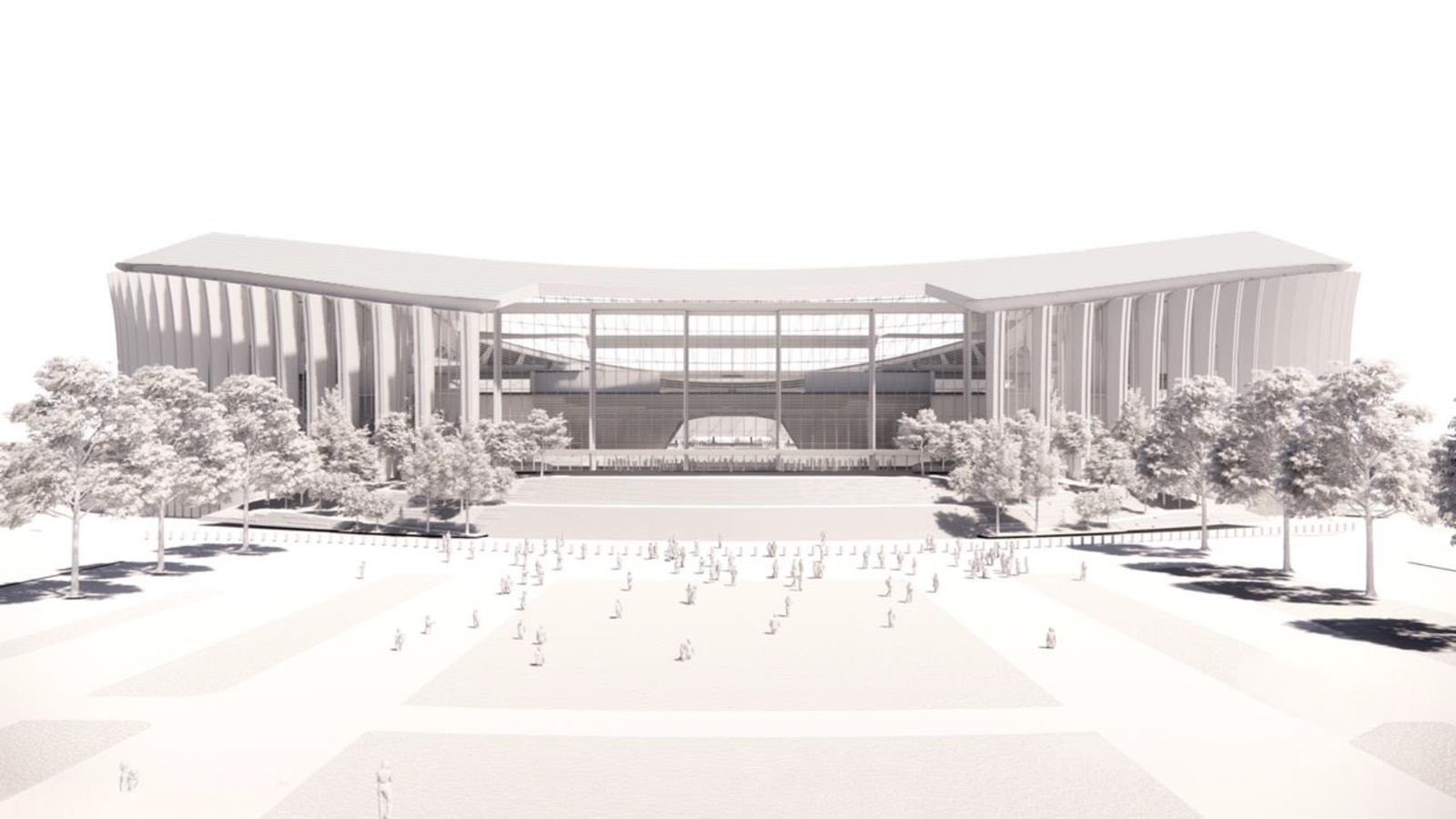
Planning, design, environmental review, and infrastructure work are underway now. The new stadium is expected to open in 2030, with other parts of the campus advancing on their own timelines. Because the RFK Campus is a large, multi-phase redevelopment, different elements will move through planning, design, approvals, and construction at different times. The District will continue to provide updates as major milestones are reached.
Community input will continue to be an important part of planning the future of the RFK Campus. The District will hold community meetings and other public engagement opportunities as plans for the campus advance. Residents can use this website to learn about upcoming meetings, review project materials, and find opportunities to provide feedback.
Planning for the RFK Campus includes careful consideration of the surrounding neighborhoods and the transportation network that serves them. The District is studying traffic, transit, pedestrian and bicycle access, parking, infrastructure, and event-day operations as part of the planning and environmental review processes. The goal is to create a campus that is well connected to the rest of the city while minimizing impacts on surrounding communities.
The RFK Campus is already served by Metro, bus routes, trails, and major roadways, and the redevelopment creates an opportunity to improve how people get to and move through the campus. Planning is considering improvements for Metro and bus access, walking and biking connections, roads and intersections, parking and rideshare operations, and other transportation options. Specific improvements will be refined as design, transportation planning, and environmental review continue.
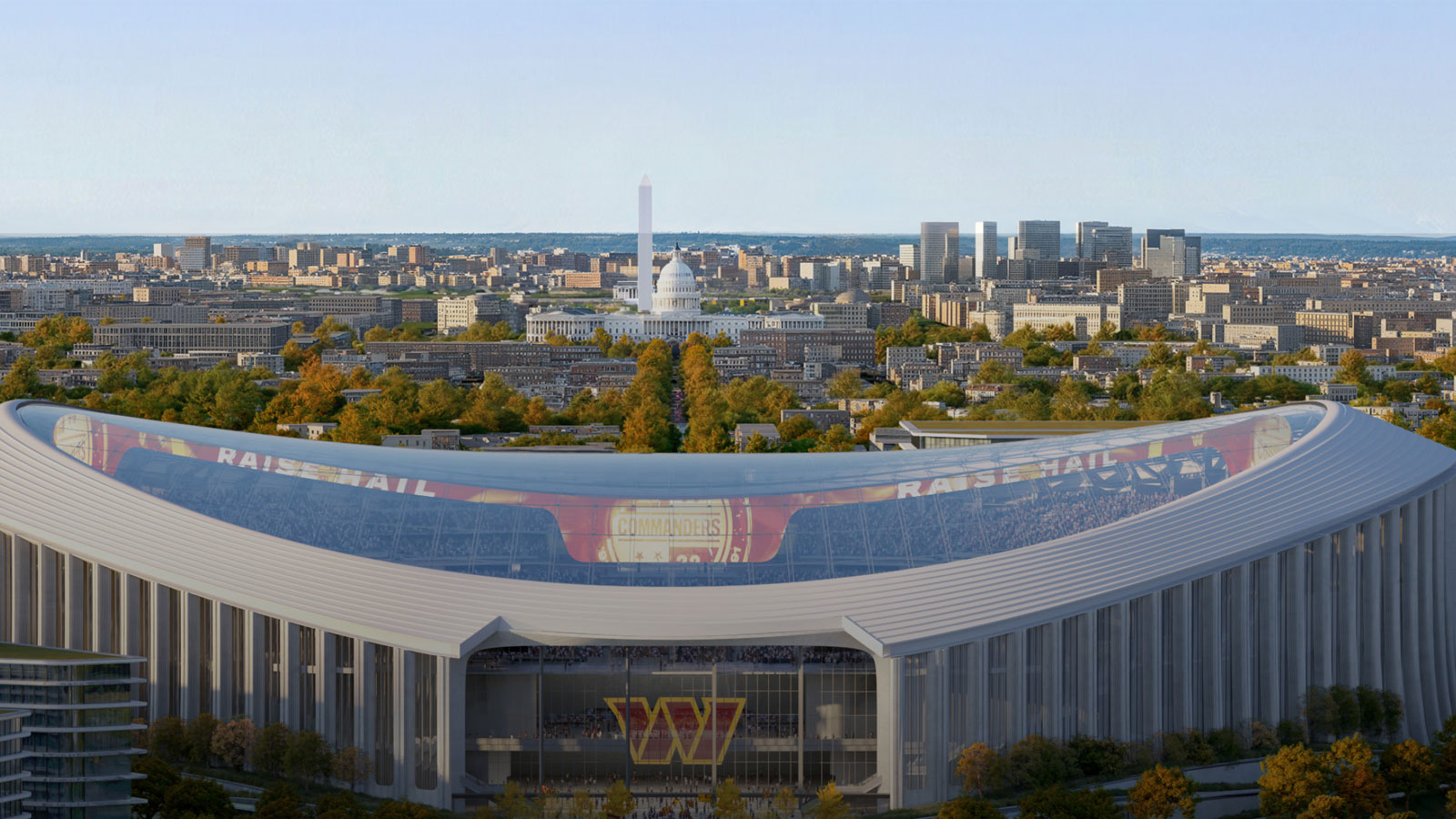
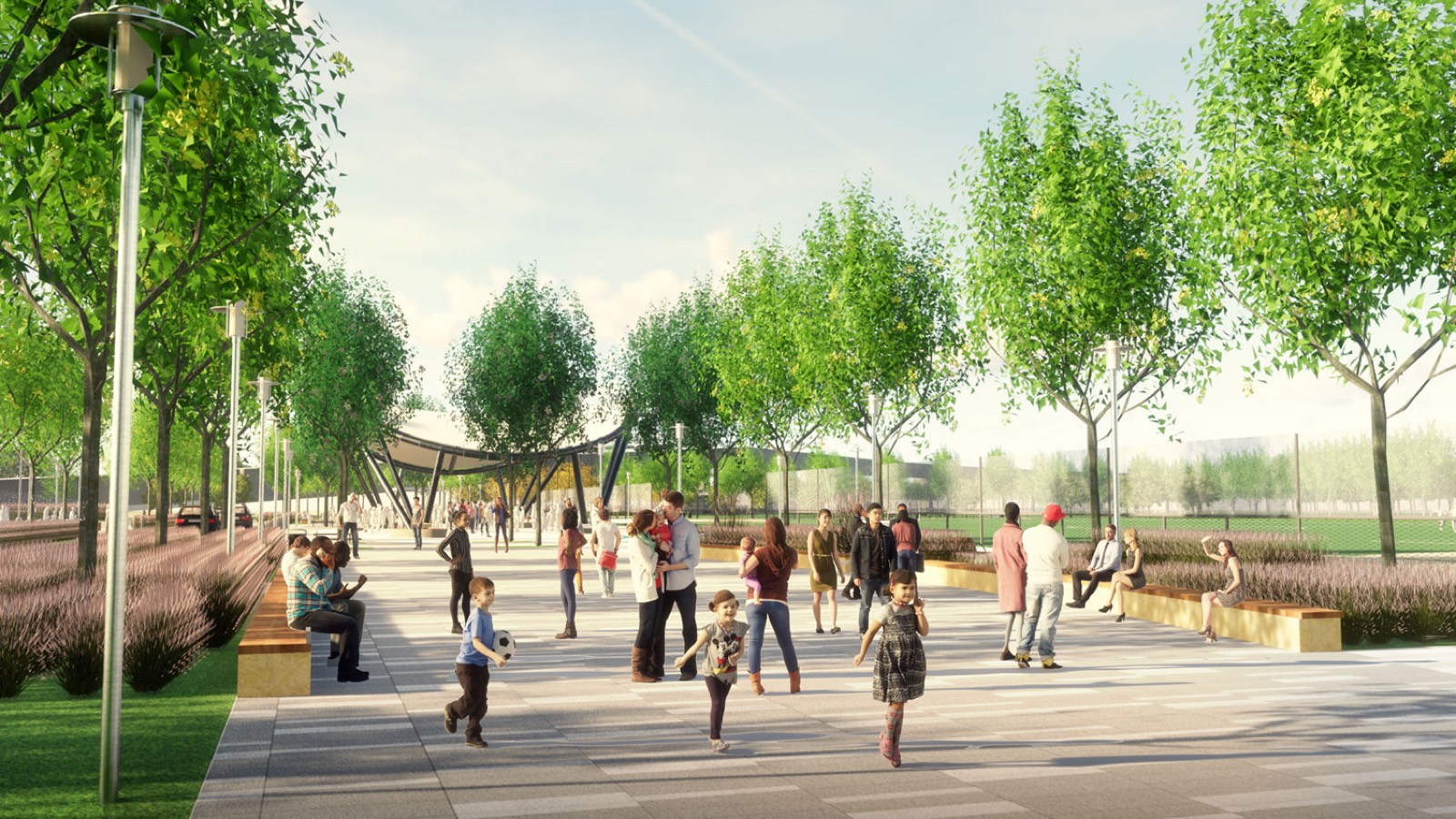
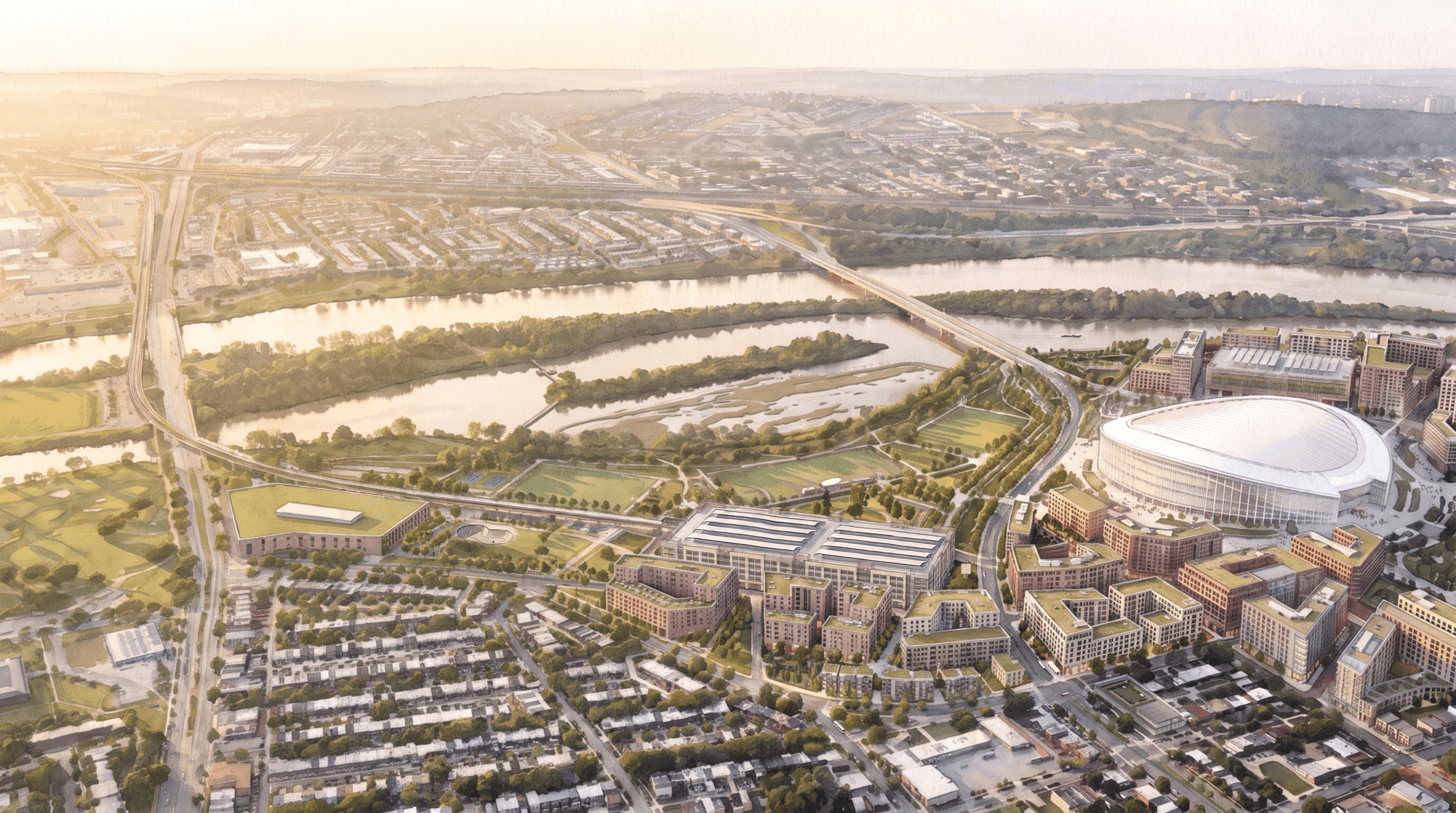
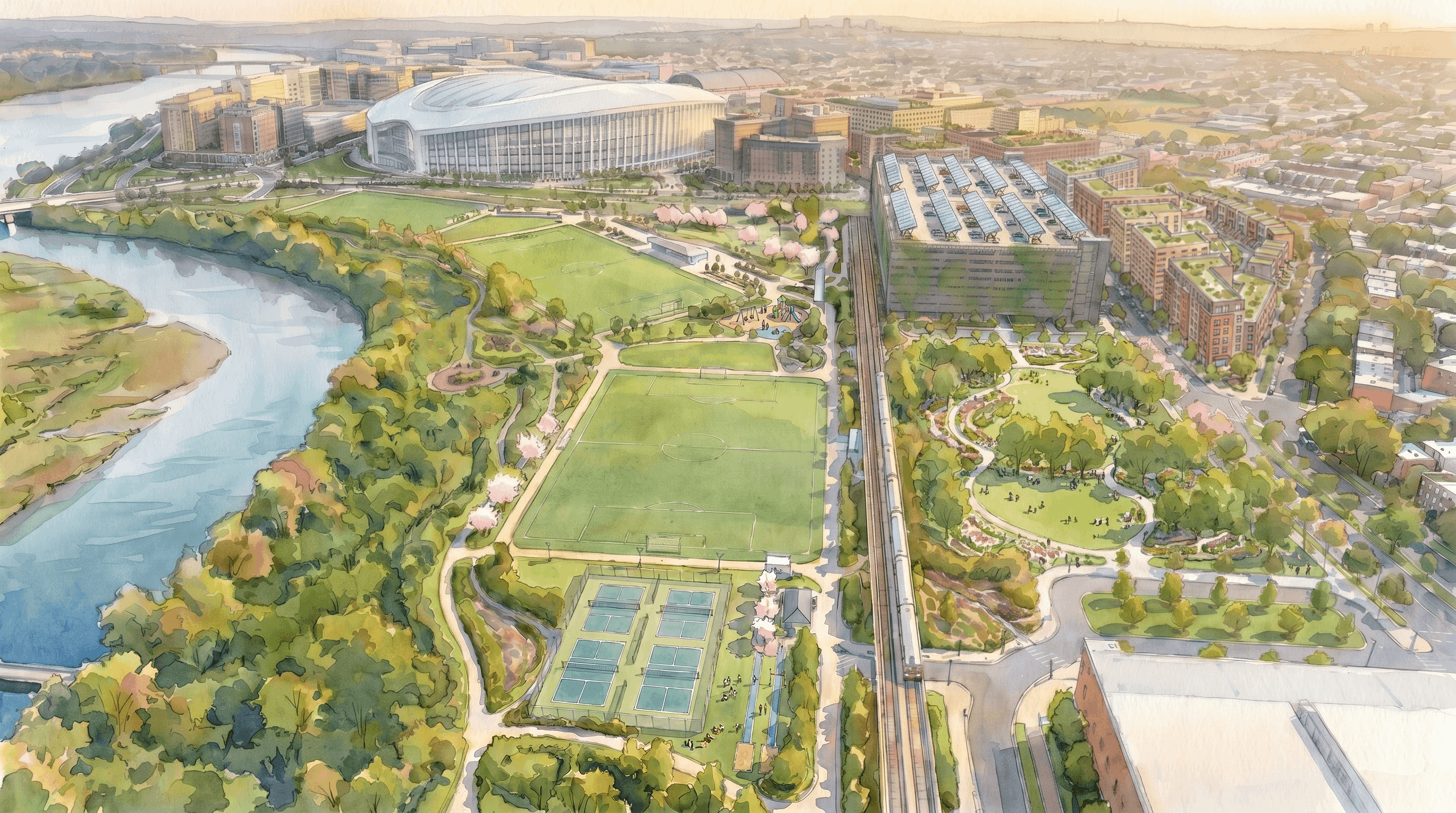
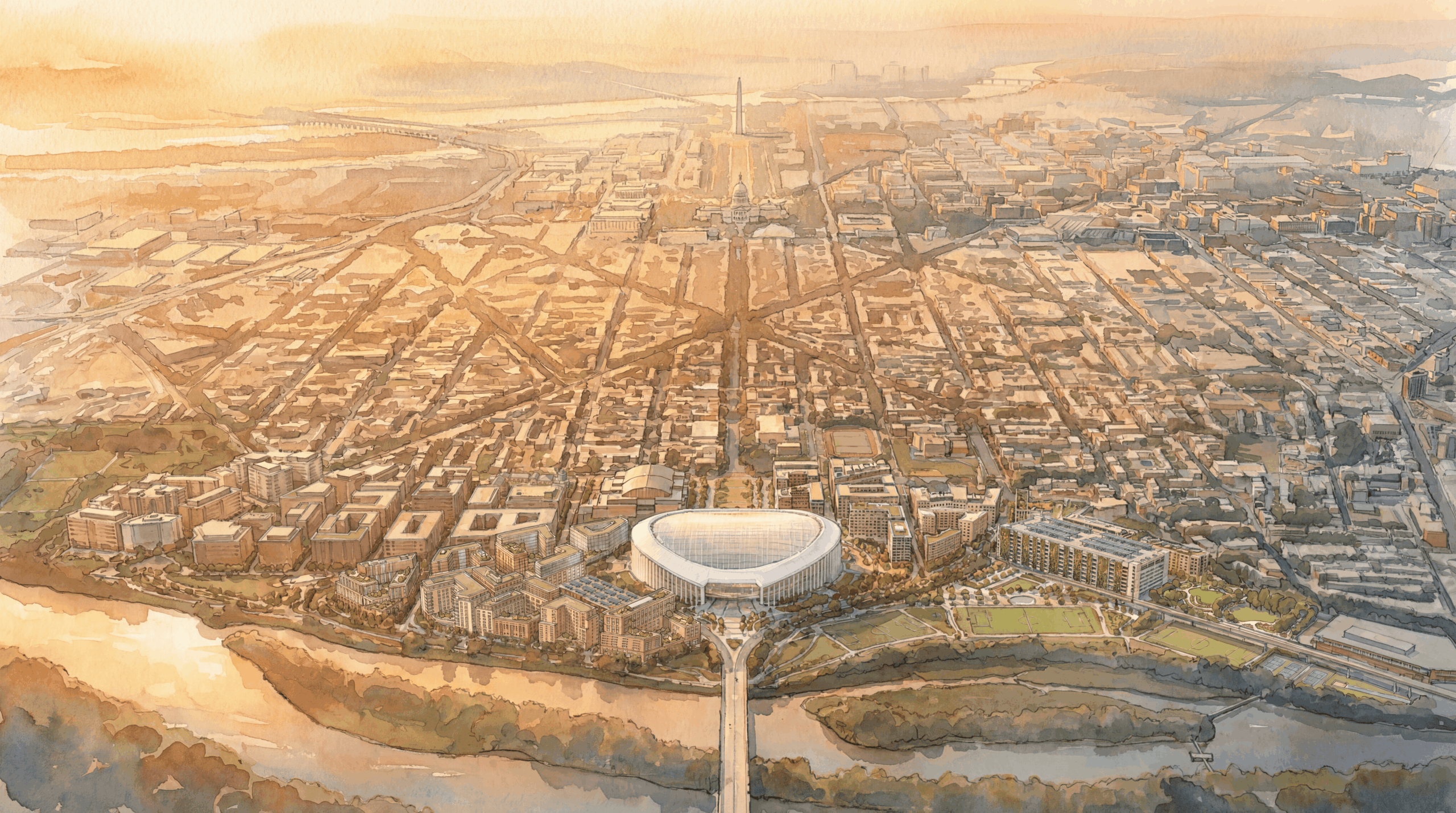
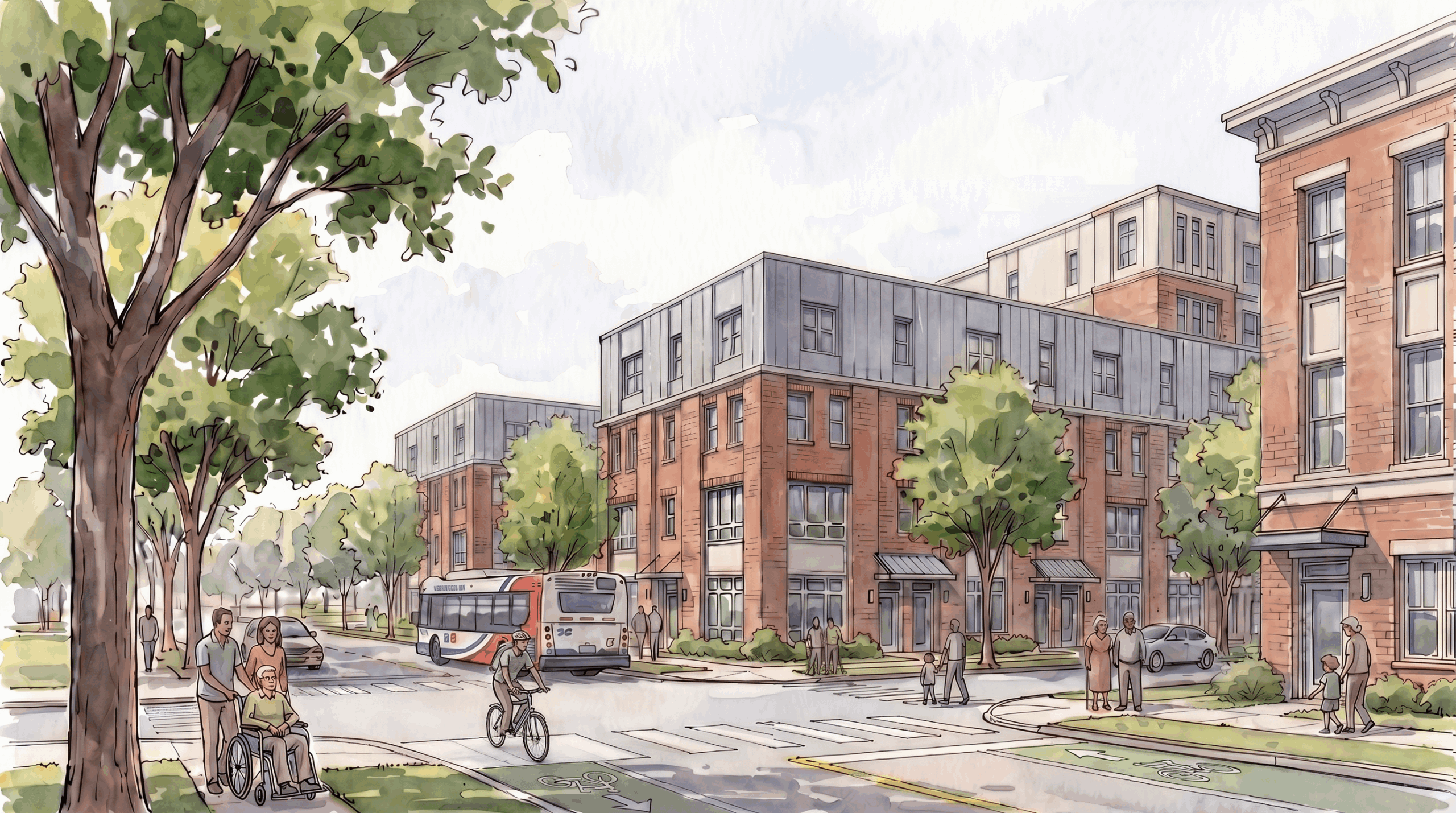
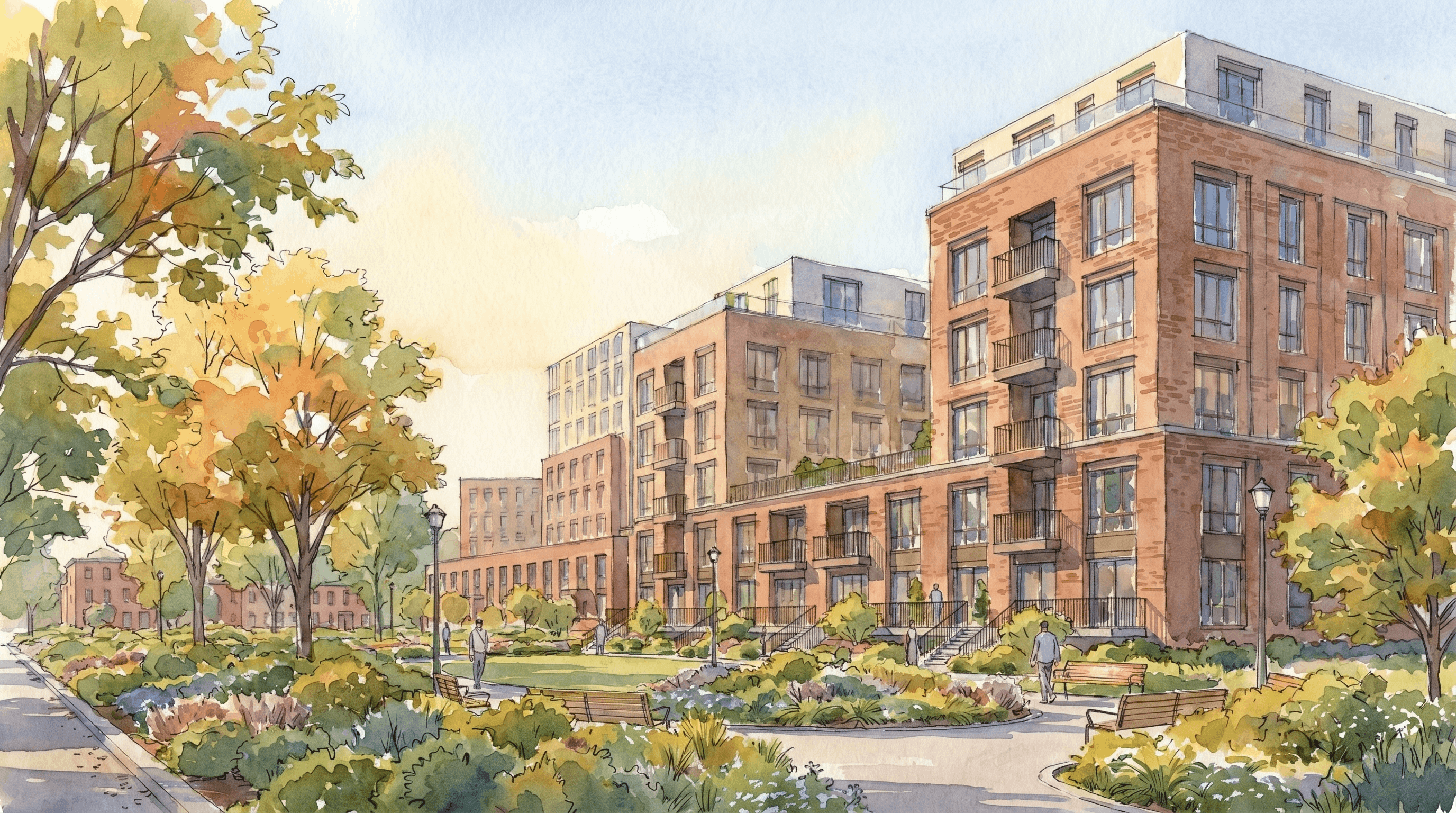
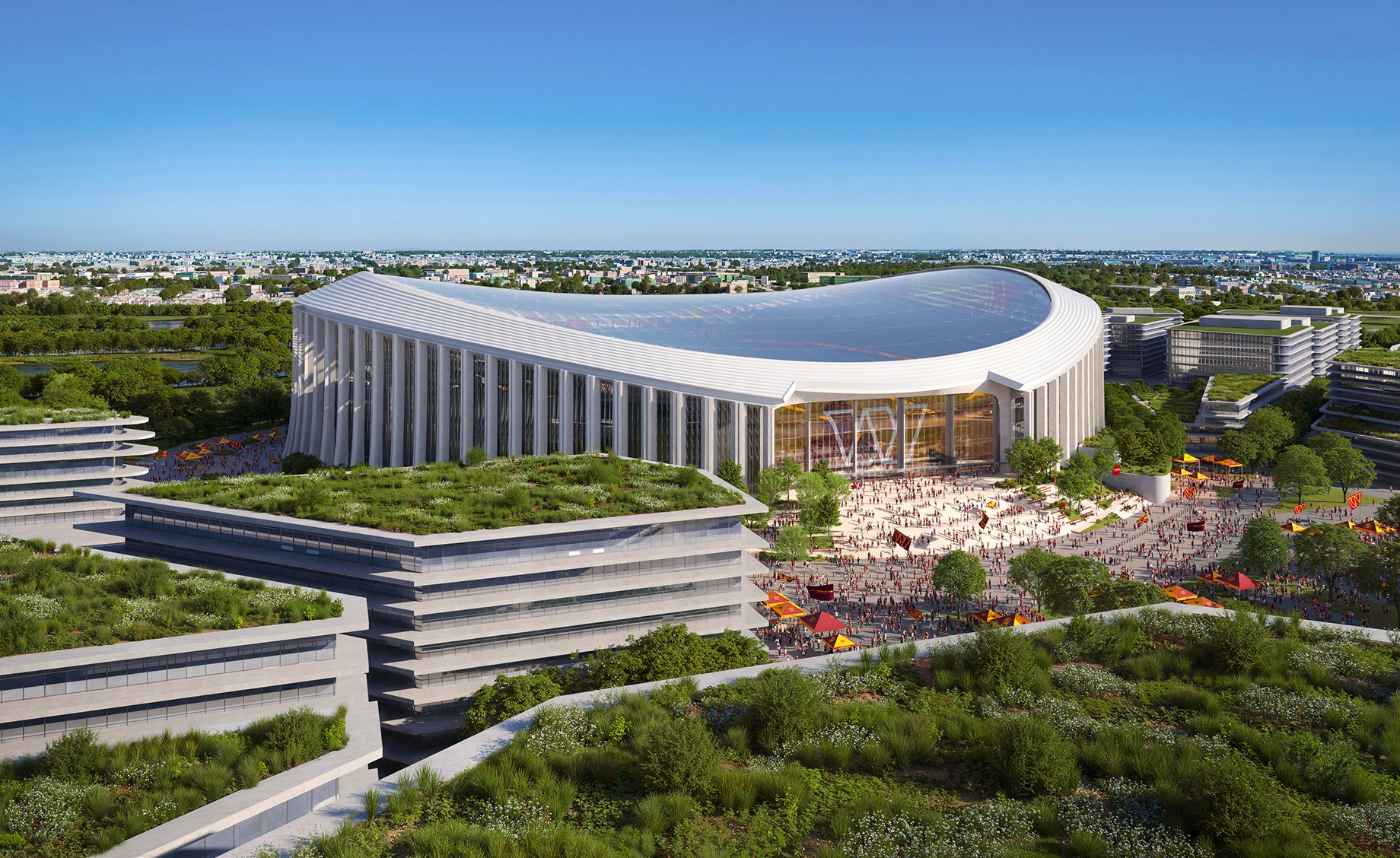
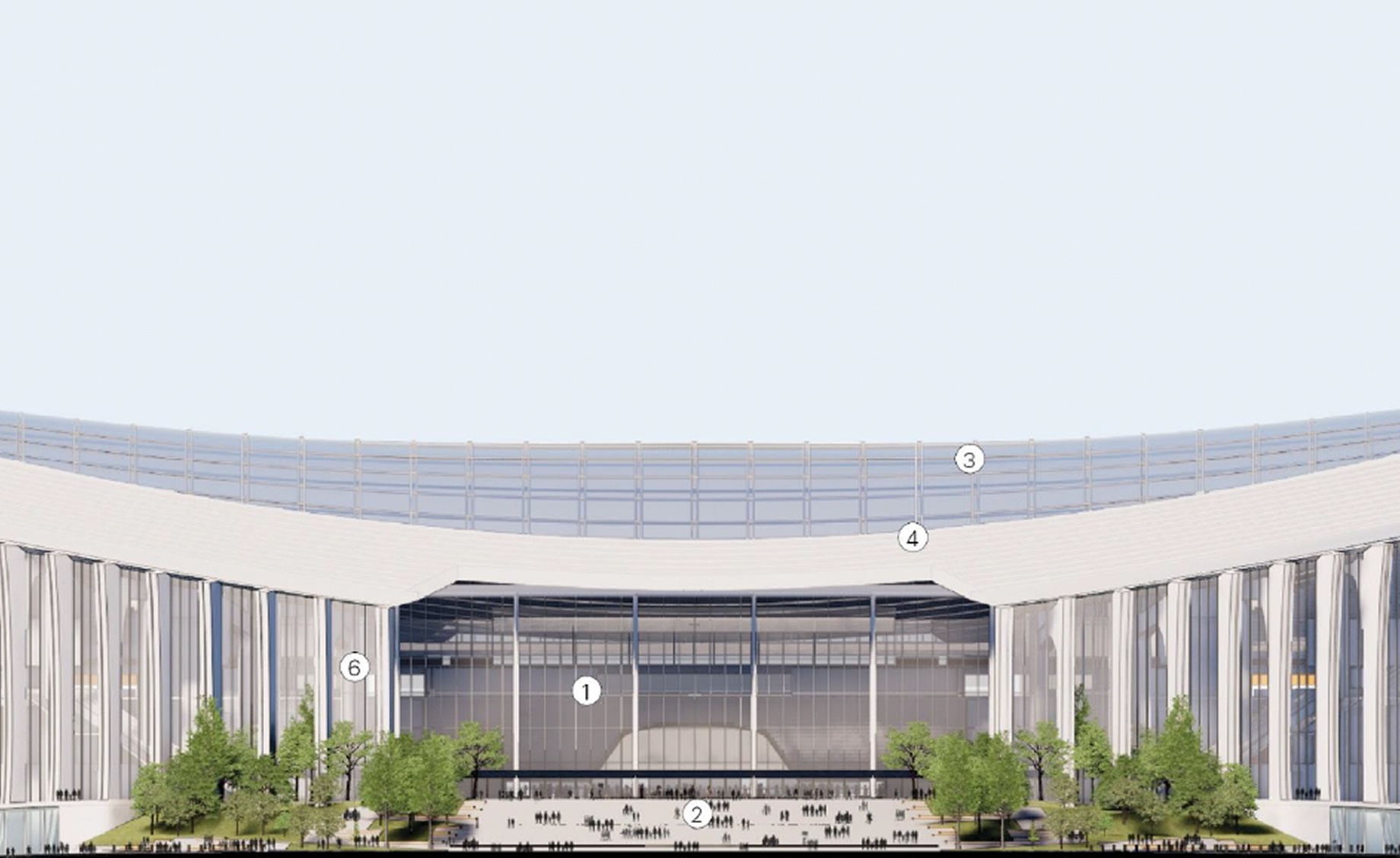
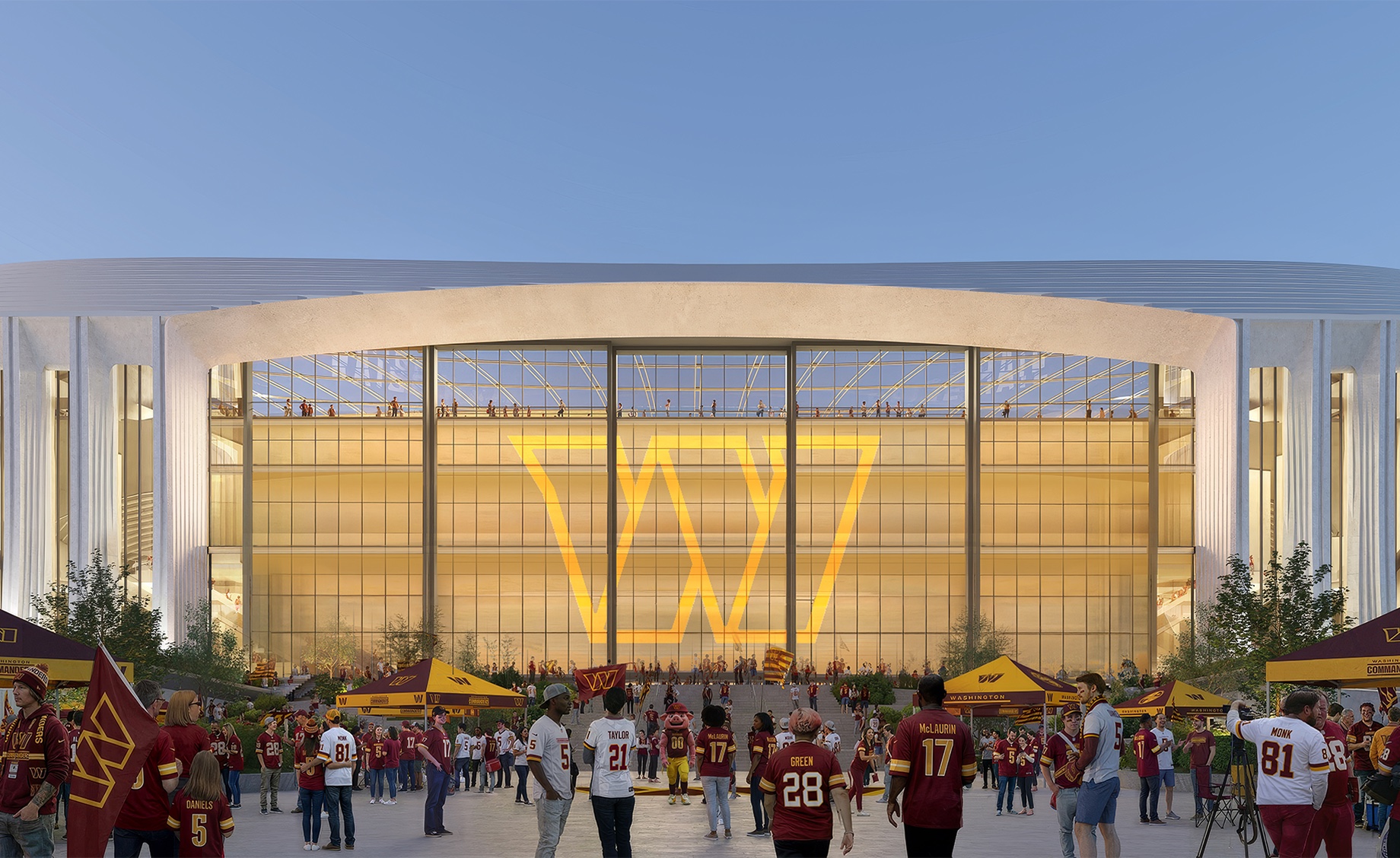
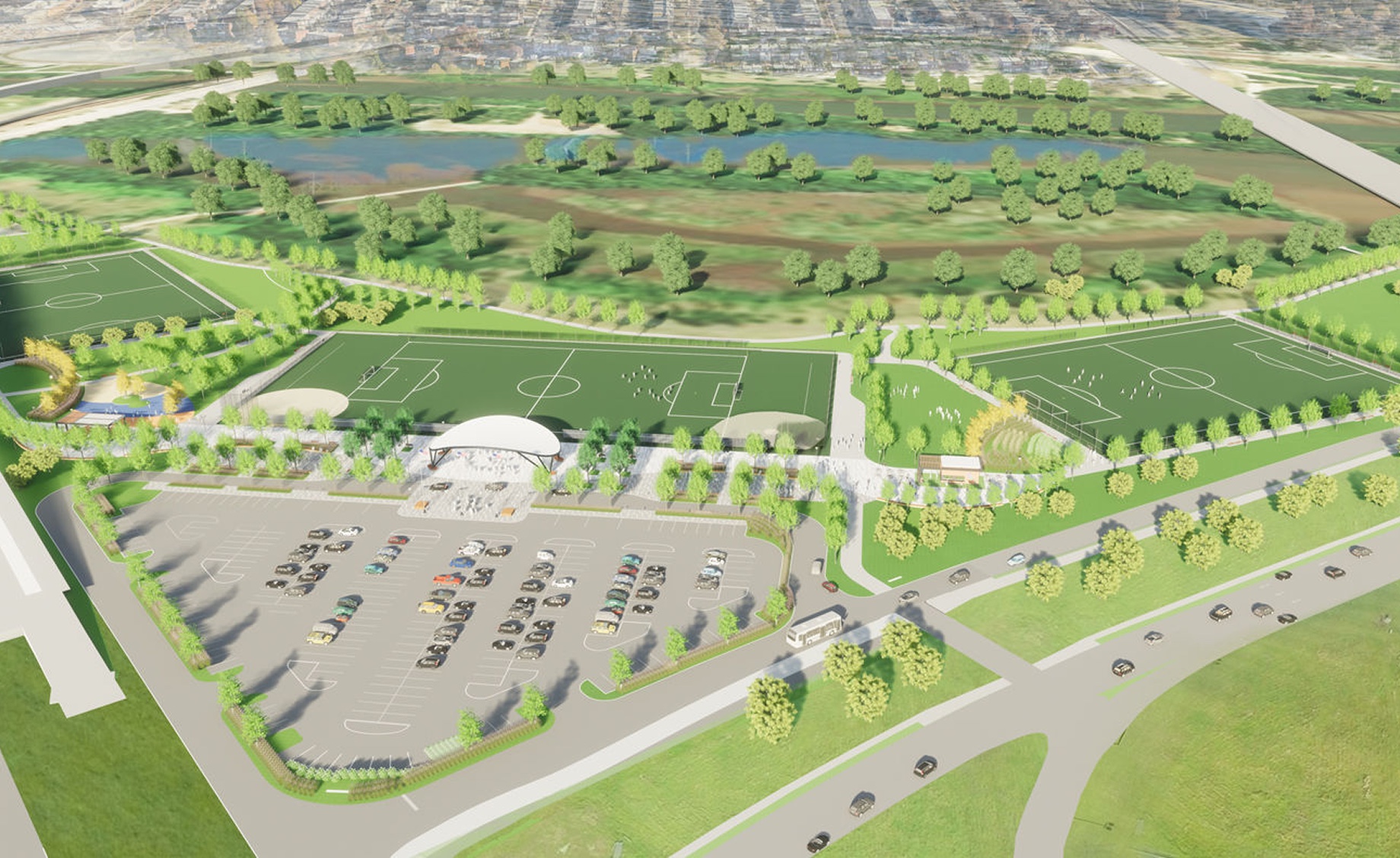
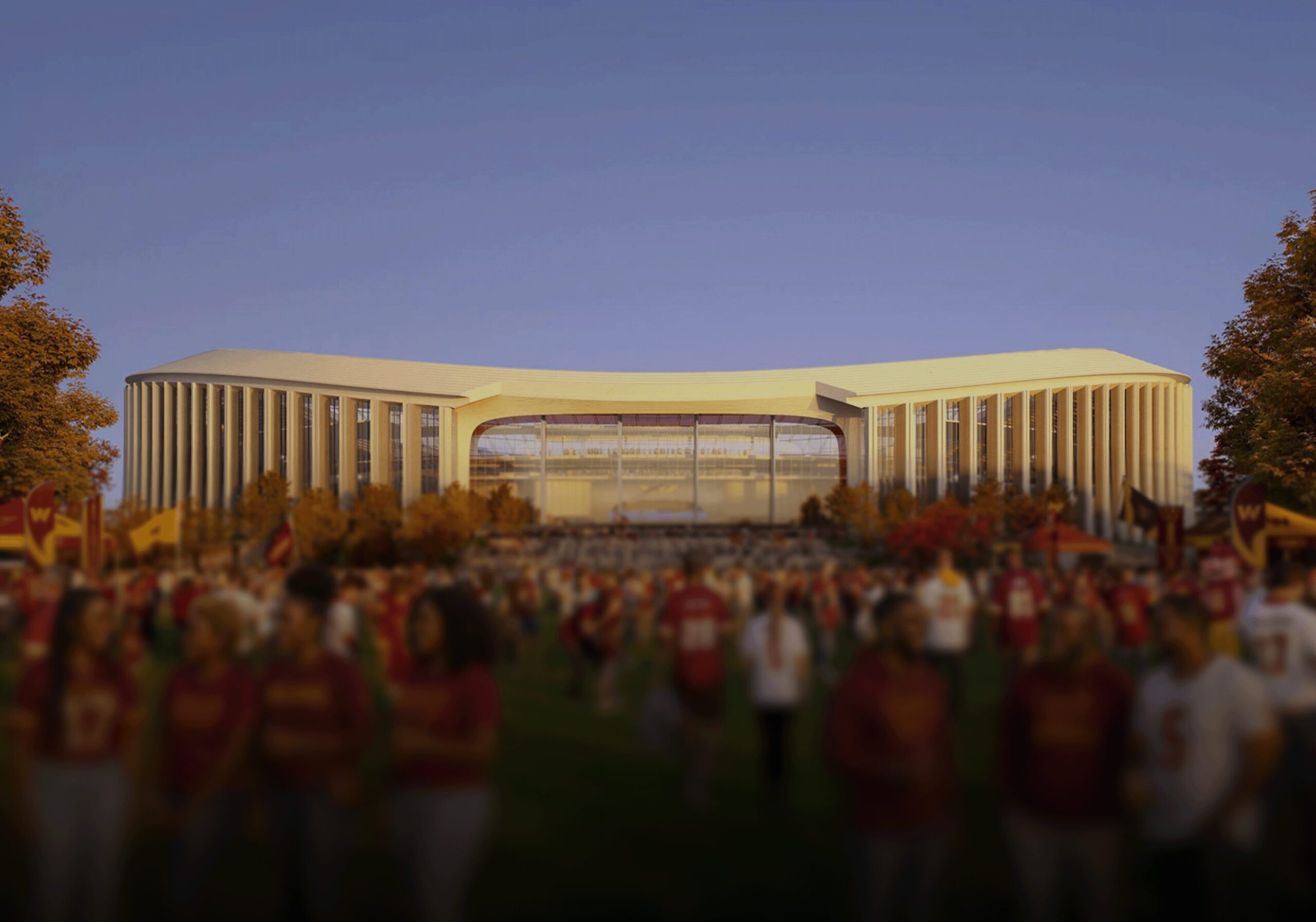
The RFK Campus redevelopment is a once-in-a-generation opportunity to transform approximately 190 acres of land along the Anacostia River into a new mixed-use neighborhood and destination. Plans include a new Washington Commanders stadium as well as housing, parks and recreation, retail and restaurants, community amenities, and new public spaces and connections to the river. The District’s goal is to create a vibrant, year-round campus that delivers benefits and opportunities for Washingtonians.
Kingman Island and Heritage Island are important natural and recreational assets for the District and will remain protected public spaces. As planning for the broader RFK Campus moves forward, the District will continue to prioritize their environmental, educational, and recreational value and connections to the Anacostia River and surrounding communities.
Yes. The redevelopment of the RFK Campus will create significant opportunities for DC businesses, workers, entrepreneurs, and vendors. The District is committed to ensuring that local and small businesses have meaningful opportunities to participate in the work generated by the project. Information about contracting, procurement, workforce, and other business opportunities will be shared as they become available.
This website will serve as a central source for information about the RFK Campus redevelopment, including project updates, upcoming community meetings, planning materials, and major decisions. Check back regularly as the project moves through planning, design, approvals, and construction.

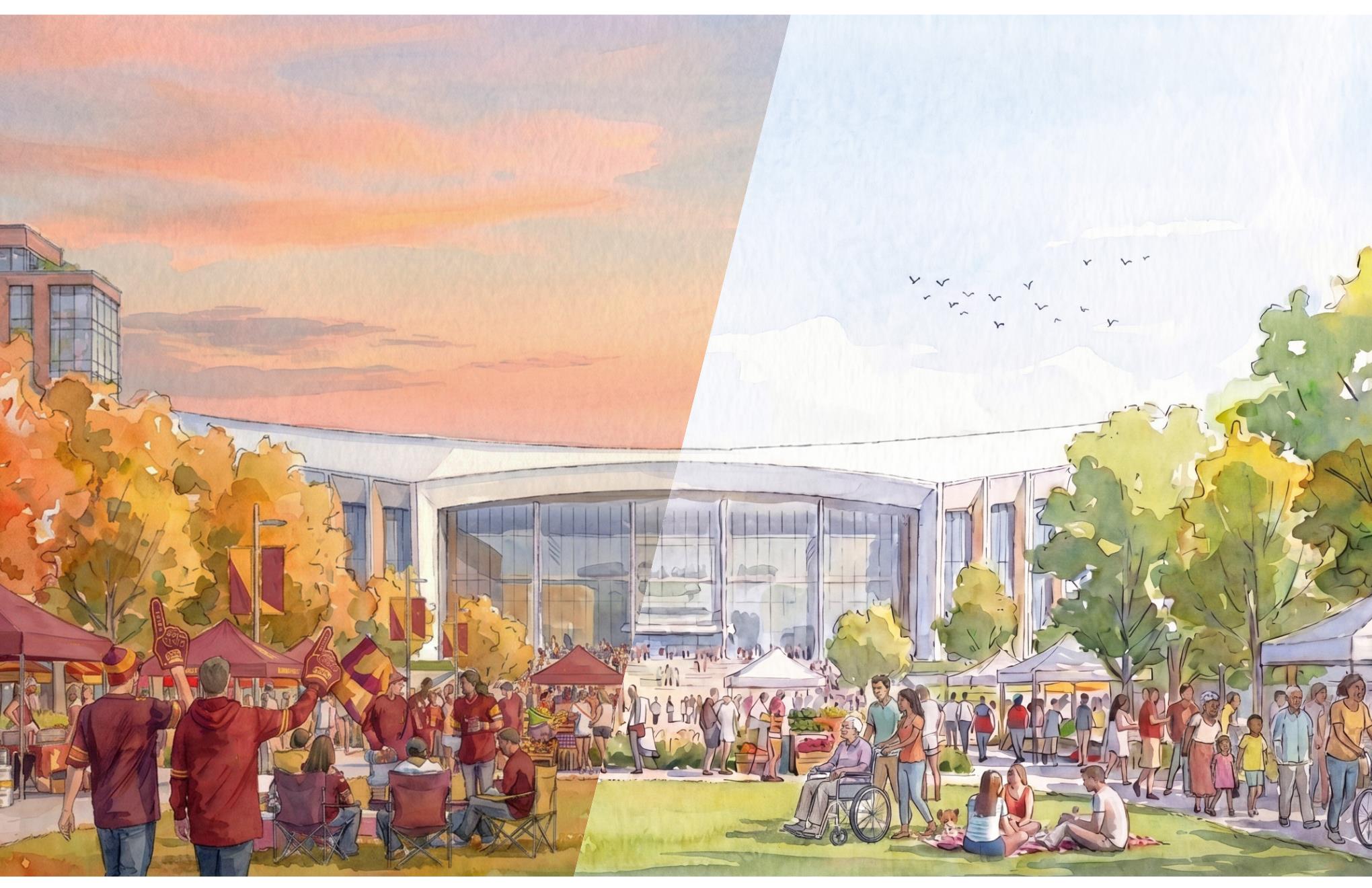
From Stadium
To Public Space